Headaches, Migraine & Jaw Pain
How Physiotherapy Can Release Tension, Improve Range of Motion and Provide Lasting Relief
Although most of us will experience headaches throughout our lives, they are not normal, and you don’t need to live with the discomfort. Headaches come in many different forms and can have a major impact on our daily lives. For many people, migraines and tension-type headaches are closely linked to muscle tension, joint stiffness, neck dysfunction, movement patterns, or TMJ (jaw) dysfunction.
This is where physiotherapy can make a powerful difference. Instead of treating the symptoms, physiotherapists aim to uncover the underlying cause of your pain. If you’ve been living with frequent headaches, migraines, jaw tightness, clicking, or pain when chewing or talking, physiotherapy may offer the relief and long-term solutions you’ve been missing.
But first, what is a headache? Headaches can range from cervicogenic and tension headaches to full-blown migraines. Each of these presents differently and can be caused by different factors.
Let’s take a look at the types of headaches our physios can treat, and why they may be caused.
Your Questions, Answered
-
At Evolve Physio & Co, our Sunshine Coast physiotherapists at our Minyama clinic, along with our Bribie Island (Ningi) team, have plentiful experience in diagnosing causes and managing pain related to headaches, migraines, TMJ and jaw pain.
Cervicogenic Headache
Cervicogenic headaches are chronic headaches that can arise from the upper cervical spine (C1-3 nerves and facet joints) and can refer pain to multiple regions of the head and/or face.
Cervicogenic headaches tend to have an age of onset of 30 years old and can occur throughout the rest of an individual's life. Headaches arising from the neck tend to be dominant on one side of the head, have associated neck pain and dysfunction, and sufferers tend to have pain points throughout the musculature and joints in the neck and shoulders. This type of headache can last from one hour to weeks.
Tension or cluster headaches
Tension headaches can arise from stress, fatigue, poor posture, neck dysfunction, jaw dysfunction and eye strain. It is most commonly classified as a dull band-like sensation across the head and can cause pain in the neck and shoulders. Tension headaches can last days to weeks.
Migraines
Migraines are the second leading cause of disability worldwide (GBD 2016 Headache Collaborators, 2016). They can be differentiated into two main categories: migraine with aura and migraine without aura. The main difference between the two presentations is the symptoms and the area of the brain being affected.
Migraine sufferers can experience a wide range of symptoms, including the below:
Photosensitivity (light sensitivity)
Phonosensitivity (sound sensitivity)
Nausea and vomiting
Pain and heaviness in the head and neck
Vertigo and dizziness
Hemiparesis (paralysis of half the body)
Trouble swallowing and speaking
Migraines can occur at any age; however, 45% of cases emerge during childhood or adolescence (Beers, Porter, Jones et al., 2006). In 90% of cases, the first attack will develop before the age of 40. In women, the frequency of migraines is highest during the onset of the menstrual cycle and throughout reproductive years, where oestrogen levels are the highest.
Women may notice that their migraines change throughout their life cycle with changes in hormones pre- and postnatal, during pregnancy and after menopause (Amiri, Kazeminasab, Nejadghaderi et al., 2022).
Migraines often occur for numerous reasons, including hormones, genetics, cardiovascular, autoimmune and neurological disease, neck dysfunction, jaw dysfunction, stress and fatigue (Amiri, Kazeminasab, Nejadghaderi et al., 2022).
Jaw Dysfunction
Jaw issues can occur at any age, but are commonly seen in adults between the ages of 20 to 40 years (Liu F, Steinkeler A, 2013). Jaw dysfunction can present itself in numerous ways, but most commonly in issues with chewing, opening the mouth, clicking or catching sensations and pain.
Dysfunction of the jaw can commonly present itself with headache and contribute to both frequency and severity of different types of headache and migraines.
Both our Sunshine Coast physiotherapist team and Bribie Island physiotherapist team are experienced in treating various headache and migraine types, and can help you start to recover and find relief.
-
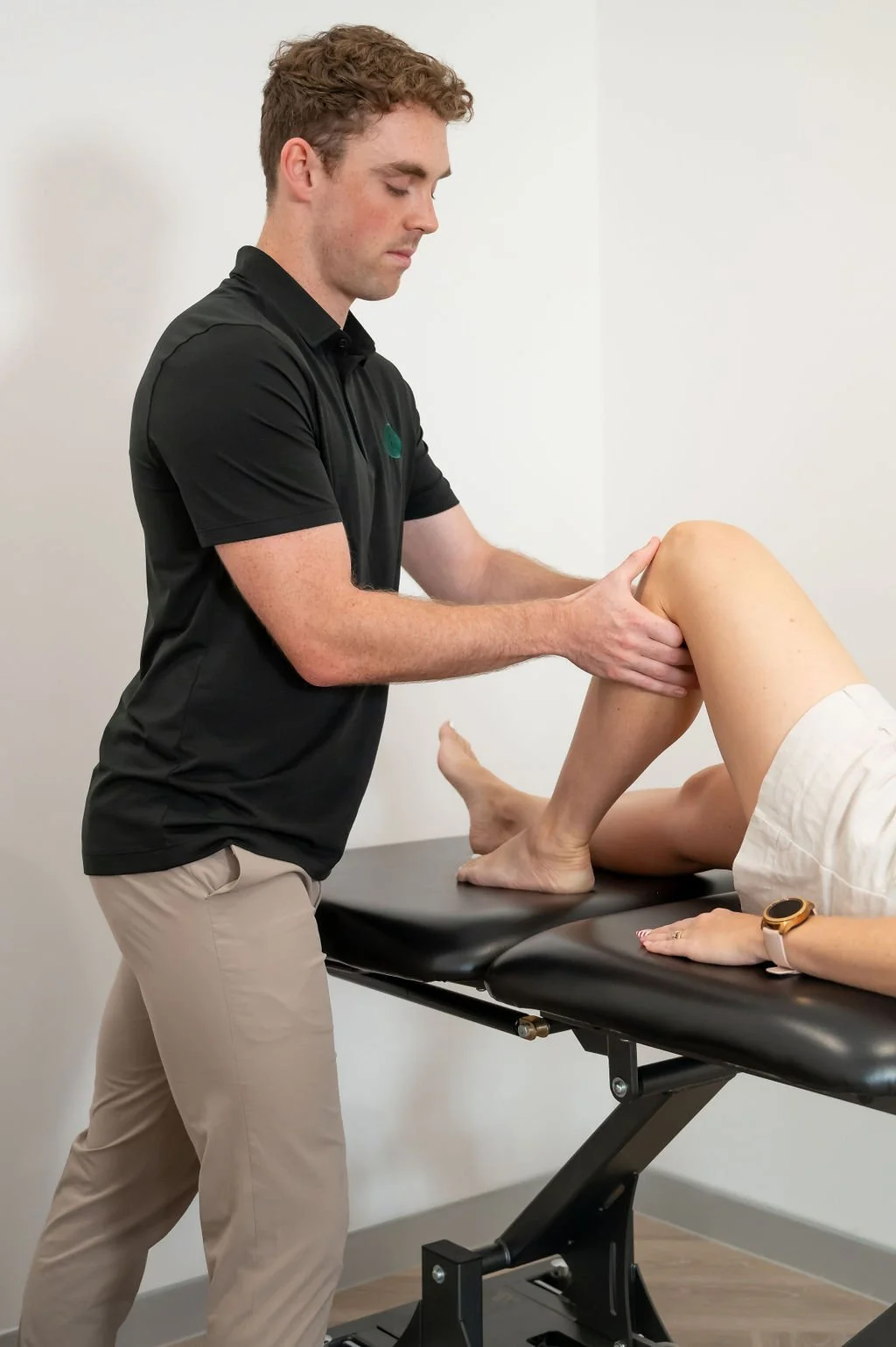
Our evidence-based physiotherapy methods can assist with the management of headaches and migraines. When treating these conditions, it is important to understand the underlying causes, and treatment can be geared towards targeting these.
Whilst physiotherapy may not completely cure a migraine, physiotherapists can treat underlying neck and jaw dysfunction, which may contribute to the development of a migraine.
Regular treatment and assessment from your physiotherapist can help to manage and reduce the severity of your pain over time.
-
Releases tight muscles in the neck, shoulders, and jaw that can trigger headaches and migraines
Improves joint mobility in the neck and TMJ (jaw), reducing stiffness and irritation
Corrects posture and movement patterns that overload the head and jaw
Reduces nerve sensitivity through gentle manual therapy and graded exercises
Relieves jaw clenching and grinding pain with specific TMJ exercises and relaxation strategies
Through specific manual therapies, exercise rehabilitation and education, physiotherapists can reduce the incidence and severity of migraines and headaches. Regardless of headache type, it is important to always consult a health professional if there is a change to your headache symptoms, you have a new onset of headaches, or your headache is occurring frequently (once per week).
Visit our Sunshine Coast or Bribie Island practices today to begin unravelling the cause of your recurring headaches and start feeling better, sooner.
Contact a member of our friendly team to book a consultation or to understand if this treatment type is right for you.
Meet the team
Want to learn more about Evolve’s network of experienced practitioners? Meet our team of physiotherapists and exercise physiologists here.