Hydrotherapy & Physiotherapy
A Gentle, Effective Way to Restore Strength, Mobility & Confidence.
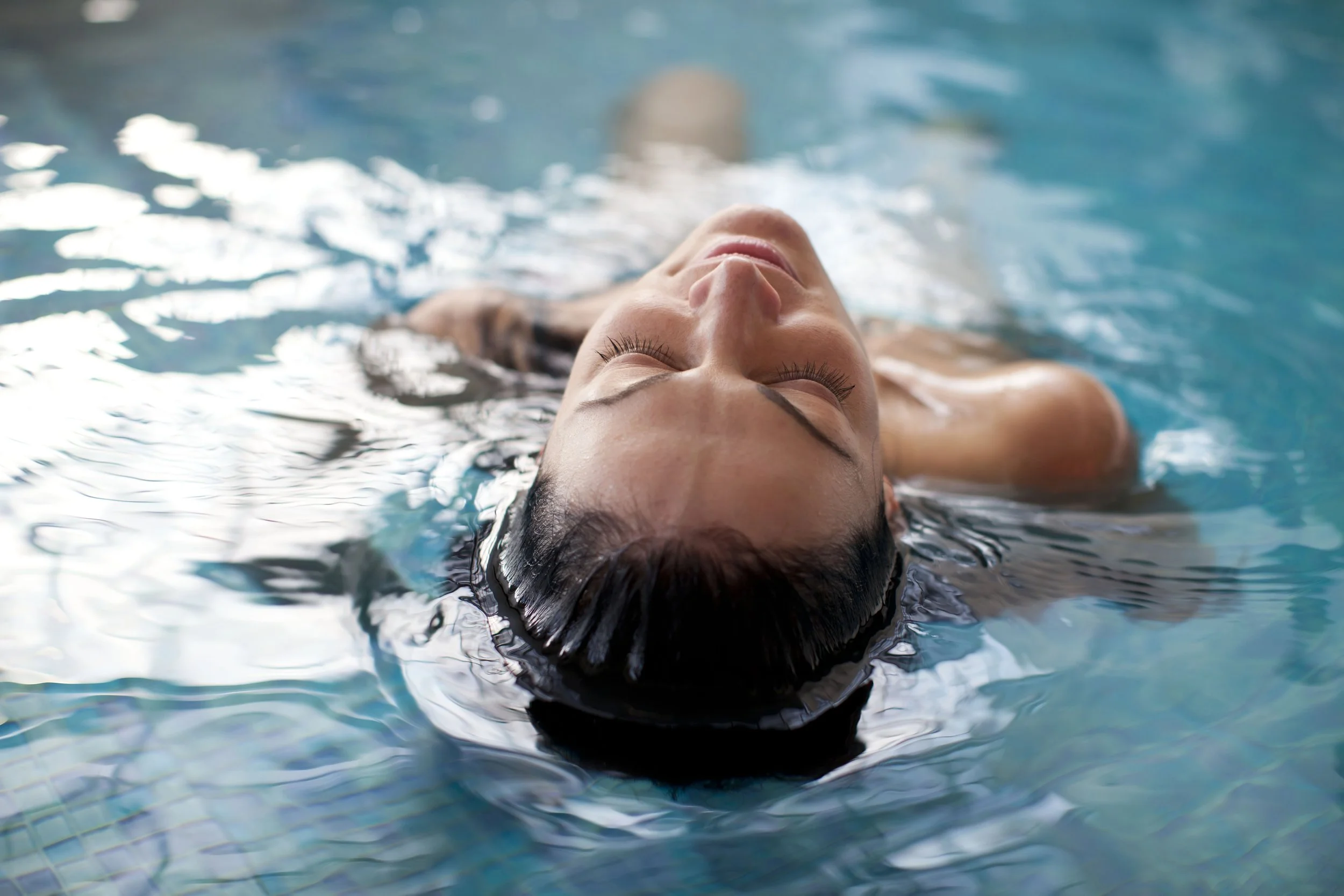
Hydrotherapy (also known as aquatic physiotherapy) is a highly effective treatment option for people of all ages and physical levels. By using the properties of warm water to support, strengthen, and mobilise the body, hydrotherapy allows people to move more freely and with less pain than they may be able to on land.
Whether you’re recovering from an injury, managing a long-term condition, or looking for a gentle way to build strength, these hydrotherapy services on the Sunshine Coast offer safe and clinically proven benefits.
Your Questions, Answered
-
Hydrotherapy is a form of physiotherapy, performed in a heated pool (usually between 32 and 34 degrees). The warmth, pressure and buoyancy of the water have well-known therapeutic properties which assist with improving mobility, pain, swelling and strength. The goal of this therapy is to assist with muscle relaxation and reduce pain to help improve muscle coordination and balance (Khruakhorn & Chiwarakranon, 2021).
-
Hydrotherapy works to assist with your rehabilitation by employing two main principles: buoyancy and hydrostatic pressure.
Individuals’ movements are slowed by the buoyant force of the water. The body in the water will be able to feel “weightless” due to the upthrust force of buoyancy, which allows your body to float.
The hydrostatic pressure of the water on the body can decrease blood pressure in the limbs and increase the blood pressure in and around the heart. This is beneficial as it helps to move areas of swelling in the peripheral limbs and move them back into the lymphatic system for drainage (Torres-Ronda 2014).
When these principles are combined with expert physiotherapy care and rehabilitation, it creates a safe and supportive environment for rehabilitation, recovery and strengthening.
The physiological effects of exercise in water are similar to those on dry land. The blood supply to the working muscle is increased, causing heat and muscle temperature to rise. The metabolic demand of the muscle also increases as a result. This, combined with the heat of the water, causes the range of joint movement to be maintained or increased, and muscle power increases.
The mild heat of the water also reduces the sensitivity of the nervous system, helping to reduce pain in provocative movements/exercises (Torres-Ronda, 2014). Therefore, the benefits of hydrotherapy include:
Reduced pain and muscle tension
Improved joint mobility
Increased strength and fitness
Enhanced balance and coordination
Faster rehabilitation after injury or surgery
Low-impact exercise that is suitable for all ages
Increased confidence in movement
Relaxation, stress relief & improved wellbeing
Many people experience improvements more quickly in water than they do with land-based therapy alone.
-
Hydrotherapy is excellent for people who find land-based exercise painful or intimidating, or have specific recovery conditions for their personal injury or ability level. Our hydrotherapy services on the Sunshine Coast are suitable for a wide range of conditions, including (but not limited to):
Musculoskeletal Conditions:
Back and neck pain
Joint sprains and muscle strains
Arthritis and joint stiffness
Tendinopathies
Post-surgical rehabilitation (ACL, Joint replacement, spinal surgery)
Neurological Conditions:
Stroke recovery
Parkinsons disease
Multiple sclerosis
Coordination or balance difficulties
Chronic Pain & Mobility Issues:
Fibromyalgia
Chronic fatigue
Persistent pain conditions
Reduced mobility or confidence on land
General rehabilitation
Sport injury recovery
Improving balance and stability
Returning to exercise after a long break
Low-impact fitness
-
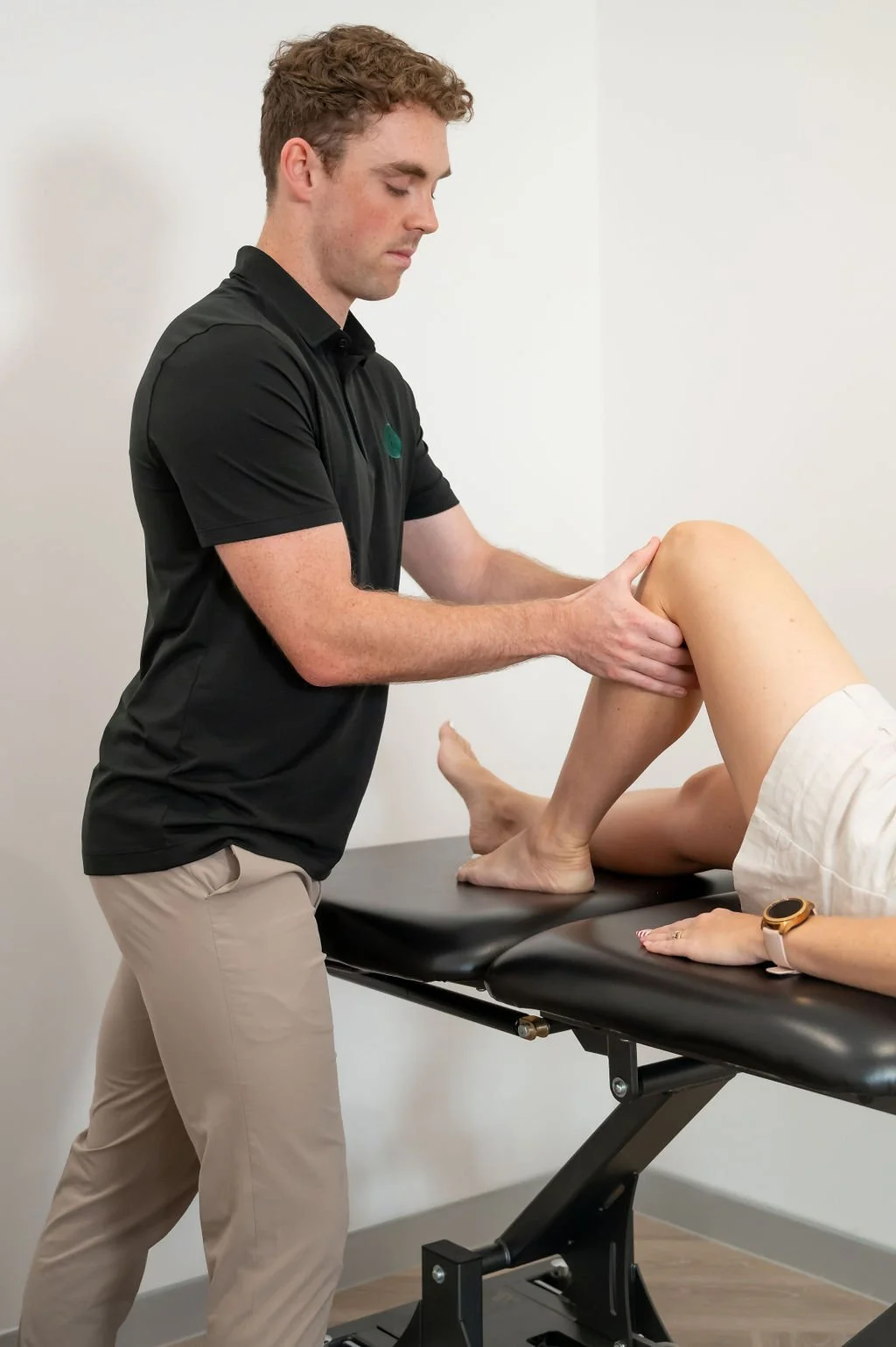
The benefit of visiting our Sunshine Coast physio practice for your treatment is our evidence-based, holistic approach to your wellbeing. Our diverse team of skilled practitioners will complete a thorough assessment of your condition, current ability level and long-term goals to shape a care plan that’s tailored to you.
Hydrotherapy sessions are undertaken at the Bribie Island Aquatic & Leisure Centre with our Ningi-based practitioners, and at the Kawana Aquatic Centre for our Minyama patients.
Your session will begin with an assessment (completed either in-house at our practice or at the hydrotherapy pool), a warm-up, and a range of personalised exercises, stretches and movements specific to your program. You might be guided through exercises such as water-assisted stretching, walking or jogging for gait training, or resistance-based strength exercises with the aid of props or flotation devices.
Our clinics offer a wide range of services, which means you’ll receive well-informed and streamlined care, without having to visit multiple specialists.
-
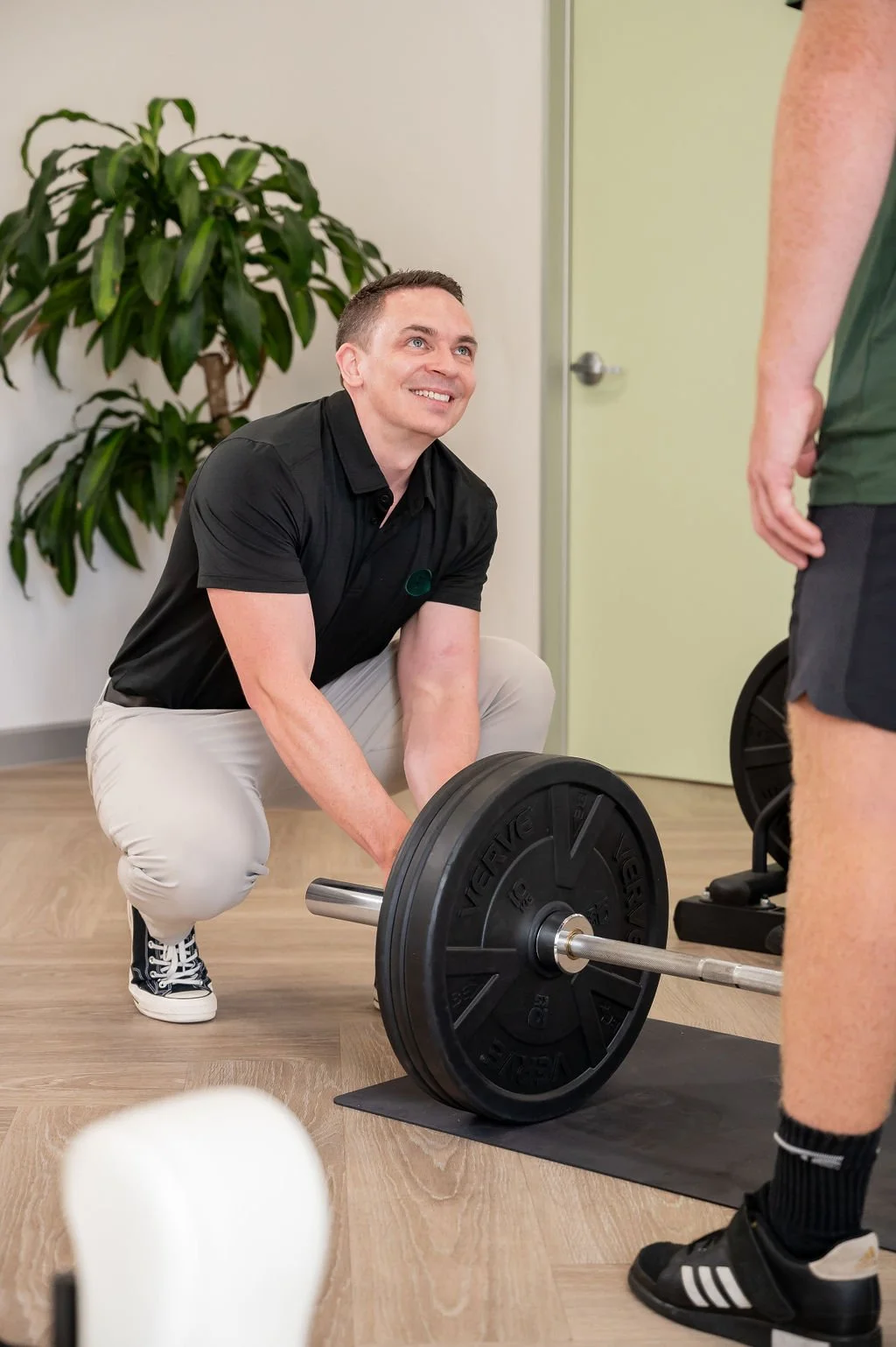
Hydrotherapy and traditional physiotherapy work best together.
Water-based treatment allows early movement and pain relief, while land-based therapy builds long-term strength, stability, and function. Together, they create a complete rehabilitation program that supports every stage of your recovery.
-
Hydrotherapy is not the same as simply swimming in a pool. Your physiotherapist will complete an involved individual assessment to determine what is causing your pain and what needs to be done to assist you.
Your physiotherapist will give you an individual condition-specific rehabilitation plan and support your recovery with clinical techniques and exercise. Most importantly, you don’t need to know how to swim to be able to participate in hydrotherapy.
-
Hydrotherapy is a gentle, effective, and scientifically supported way to improve mobility, reduce pain, and rebuild strength. Whether you are recovering from surgery, managing a chronic condition, or simply looking for a safe way to exercise, hydrotherapy can help you move forward with confidence.
If you’re wondering whether hydrotherapy is right for you, a physiotherapy assessment is a great place to start.
Contact our friendly team, and we can advise if this treatment is right for you.
Meet the team
Want to learn more about Evolve’s network of experienced practitioners? Meet our team of physiotherapists and exercise physiologists here.