Musculoskeletal & Sports Injuries
How Musculoskeletal Physiotherapy Helps Your Perform at Your Best
Musculoskeletal (MSK) and sports injuries are incredibly common - whether you’re an athlete, a gym-goer, a weekend warrior or someone who simply moved the wrong way at the wrong time. Pain and injury don’t just interfere with training but with work, sleep and everyday activities.
The good news? With the right physiotherapy approach, most MSK and sports-related injuries can recover faster, stronger and with far fewer setbacks.
As physiotherapists, we don’t just look at the injured area, but how your body moves as a whole (your training load, habits and technique) to understand why the injury occurred in the first place and how we can prevent it from occurring again.
Our experienced musculoskeletal physiotherapists at our Sunshine Coast and Bribie Island practice locations employ holistic and evidence-based approaches to ensure you’re accurately assessed before moving ahead with a comprehensive injury management plan.
Your Questions, Answered
-
Musculoskeletal physiotherapy can focus on injuries and conditions that affect our musculoskeletal system, including joints, ligaments, tendons, muscles and nerves. These injuries can occur anywhere in the body and can have a significant impact on your life and your sport.
Common ailments include:
Back and neck pain
Tendon pathologies
Muscle tears
Joint sprains and ligament injuries
Sciatica and nerve irritation
Work-related pain and ergonomic postures
Osteoarthritis pain
Sports injury physiotherapy looks specifically at:
Overuse injuries (shin splints, tendinopathies, patellofemoral pain, REDS, Stress Fractures)
Acute injuries (including ankle sprains, hamstring strains, ACL tears
Post-surgical recovery (ACL reconstruction, Shoulder stabilisations)
Performance-related movement issues
Return to sport planning and testing
-
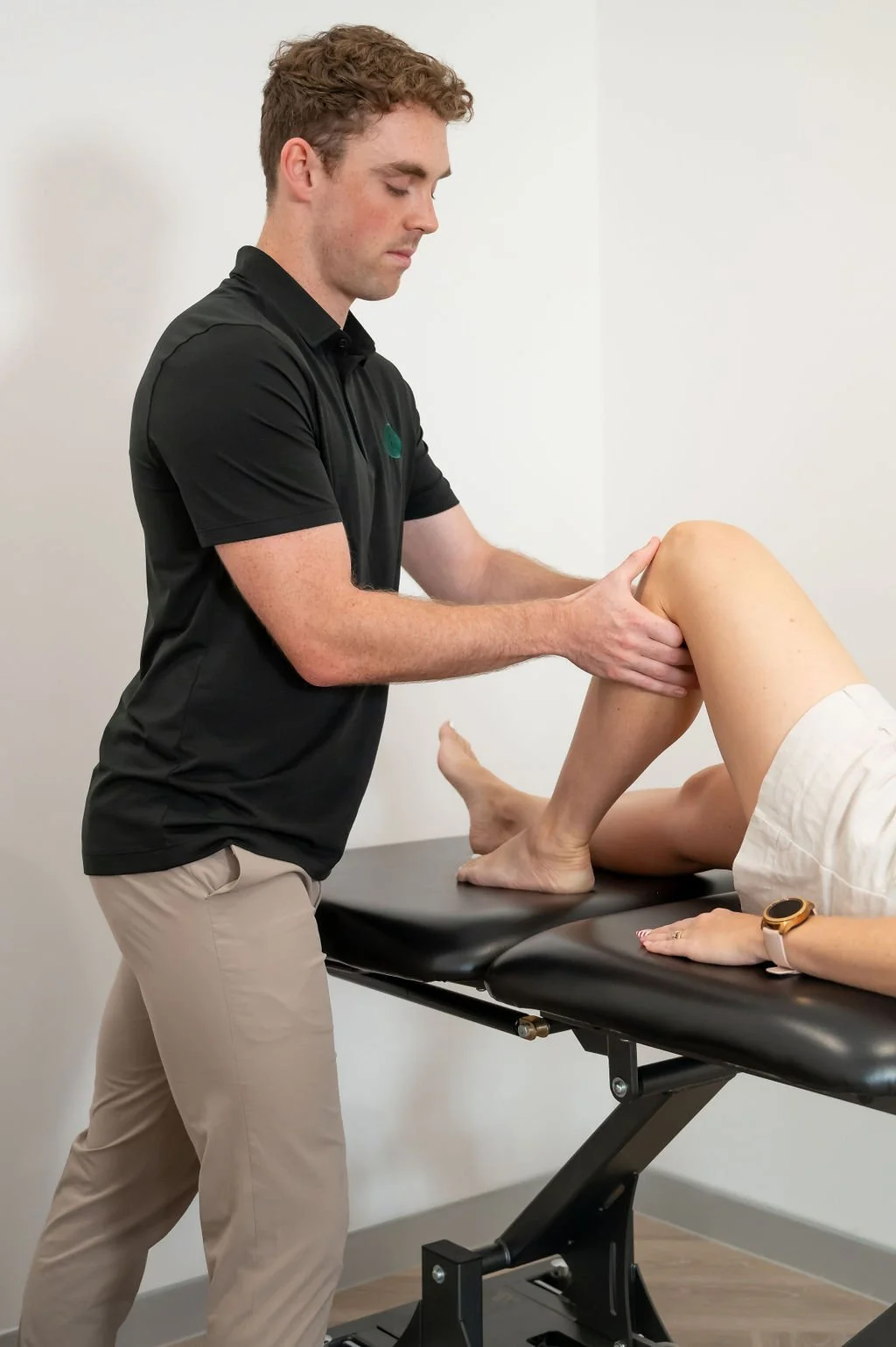
During your musculoskeletal physio session at Evolve Physio & Co, the first step is developing an accurate diagnosis. This includes a thorough history, as well as subjective and objective assessments. Our physiotherapists will perform testing on your ligaments, tendons and nerves to develop an accurate diagnosis and prognosis.
We may also refer you for an X-ray, CT or MRI scan to confirm this diagnosis. From there, we develop an individualised plan to assist your return to sport, work and everything in between. Treatment can range from hands-on manual therapy techniques to help reduce pain and restore movement to exercise-based rehabilitation to ensure you're fighting fit on the pitch.
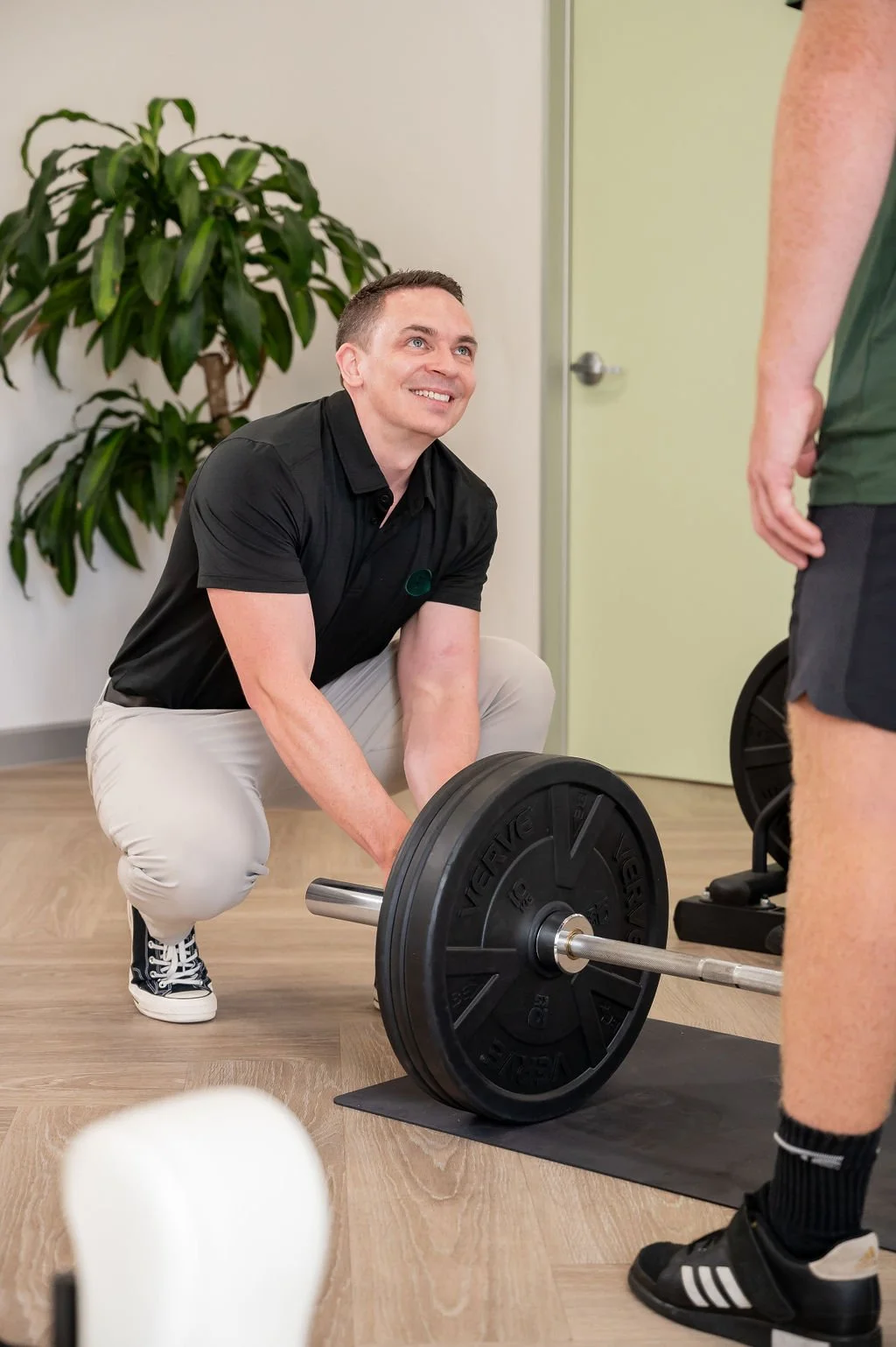
Our Minyama and Ningi practices are geared towards active exercise rehabilitation, to restore function and return you to what you love. Exercise therapy has been proven to have greater treatment efficacy on musculoskeletal injuries than manual therapy alone.
We also focus on load management, training advice and prevention strategies for injury recurrence.
We aim to have you out of the clinic after a few sessions, equipped with a tailored plan for your return to optimal function. You’ll be able to confidently undertake your usual sport, fitness or daily activities with a view to longevity.
-
Musculoskeletal and sports injury physiotherapy is about empowering you: helping you understand your injury, how your body works, and what you can do to take control of your recovery. With a combination of hands-on treatment, targeted exercise, and personalised guidance, physiotherapy helps you return to what you love – stronger, safer, and more confident.
With a large team of experienced practitioners at your disposal, an appointment at Evolve Physio & Co is your first step in the direction of healing, health and fitness.
Contact our friendly team, and we can advise if this treatment is right for you.
Meet the team
Want to learn more about Evolve’s network of experienced practitioners? Meet our team of physiotherapists and exercise physiologists here.