Neurological Conditions
How Physiotherapy Transforms Life with Neurological Conditions
Neurological conditions such as stroke, Parkinson’s disease, multiple sclerosis, and brain or spinal injuries can significantly affect the way a person moves, feels, and interacts with their environment.
These conditions impact the brain, spinal cord, or peripheral nerves, often leading to weakness, impaired coordination, difficulty with balance, and changes in sensation. What you may not know, is that neurological physiotherapy can assist in managing and improving the symptoms of these conditions.
Whether someone is recovering from a sudden event or managing a long-term diagnosis, physiotherapy plays a crucial role in restoring movement and improving independence
Your Questions, Answered
-
Physiotherapy is one of the most effective ways to support recovery, restore function, and improve quality of life for people living with neurological disorders. The physiotherapists at our Sunshine Coast and Bribie practices have experience treating a wide variety of conditions, using evidence-based methods.
Neurological conditions come in many forms, and each can affect the body differently. Below, you’ll find some examples of the conditions that we can treat, and how they present symptomatically.
Stroke: Often causes weakness or paralysis on one side, problems with balance, and difficulty walking.
Parkinsons Disease: Leads to slow movements, tremors, stiffness, and freezing during walking.
Multiple Sclerosis (MS): Causes fatigue, weakness, poor coordination, and sensory disturbances.
Spinal cord injuries: Result in lost movement and sensation below the site of injury.
Cerebral palsy: A developmental disorder affecting muscle tone, posture, and coordination.
Traumatic brain injury (TBI): May impair movement, balance, and cognitive-motor functions.
Peripheral neuropathies: Can cause numbness, weakness, and gait instability.
Regardless of the specific diagnosis, many neurological conditions share one core challenge: they affect a person’s ability to move efficiently and safely. It’s our mission to empower you to take your health into your own hands and feel confident and supported in your journey.
-
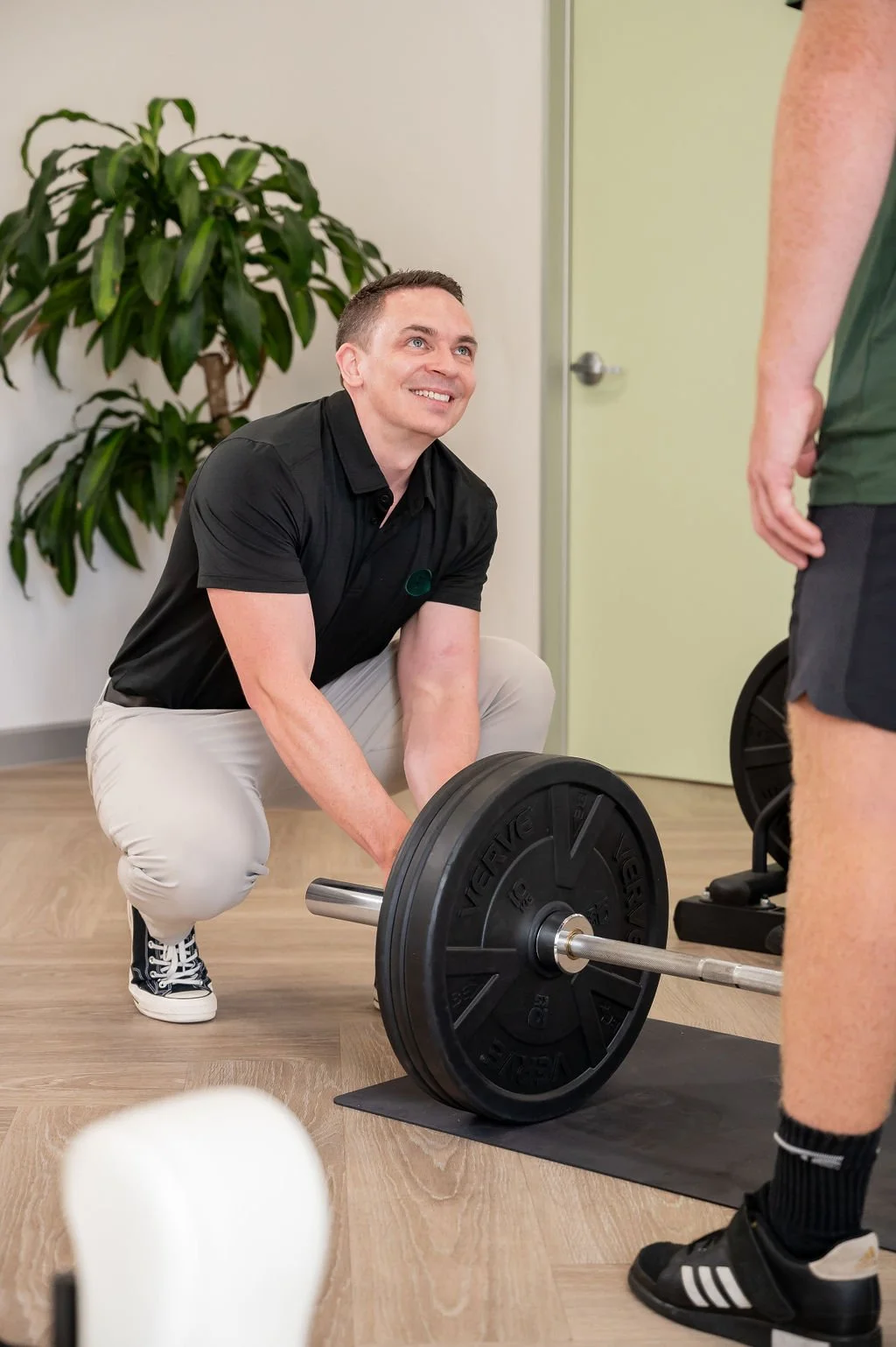
Because these conditions affect the nervous system differently, treatment is always tailored to each individual’s goals and abilities. A major focus of rehabilitation is improving mobility — strengthening key muscle groups, refining gait patterns, increasing endurance, and enhancing posture and core stability.
Balance training is also essential, helping reduce falls and build confidence with everyday tasks like turning, stepping, and navigating uneven surfaces.
If you’re not sure how neurological physiotherapy can help, take a look through the below evidence-based methods our practitioners carry out in the clinic. Alternatively, reach out to our friendly team at any time for advice.
Neuroplasticity
Physiotherapists harness a principle called neuroplasticity. This is the nervous system’s ability to reorganise and adapt after injury. Through targeted, repetitive, task-specific practice, the brain can relearn movement patterns and develop more efficient motor pathways.
Improving strength and coordination
Weakness is common in neurological conditions. Targeted strengthening exercises help rebuild muscle power, while coordination training improves smooth, controlled movement.
Gait and balance re-training
Gait re-training exercises and activities that improve walking gait, whether to improve a shuffling gait from Parkinson’s to an ataxic gait from stroke
Vestibular retraining
Balance exercises
Managing spasticity and muscle tightness
Stretching tight muscles
Functional weight-bearing exercise to reduce spasticity
Enhancing functional independence
Everyday tasks (like standing, dressing, lifting a cup and climbing stairs) can be challenging after a neurological event. Physiotherapists break down these tasks and train them step by step, empowering individuals to regain independence.
Assistive devices and technology
Physiotherapists also help you choose the right assistive devices, as well as train you to use them. Below are some examples of the devices and technology our neurological patients often use to empower their movement:
Walkers and canes
Orthoses (braces)
Wheelchairs
Adaptive equipment
Robotic or electrical devices for movement assistance
-
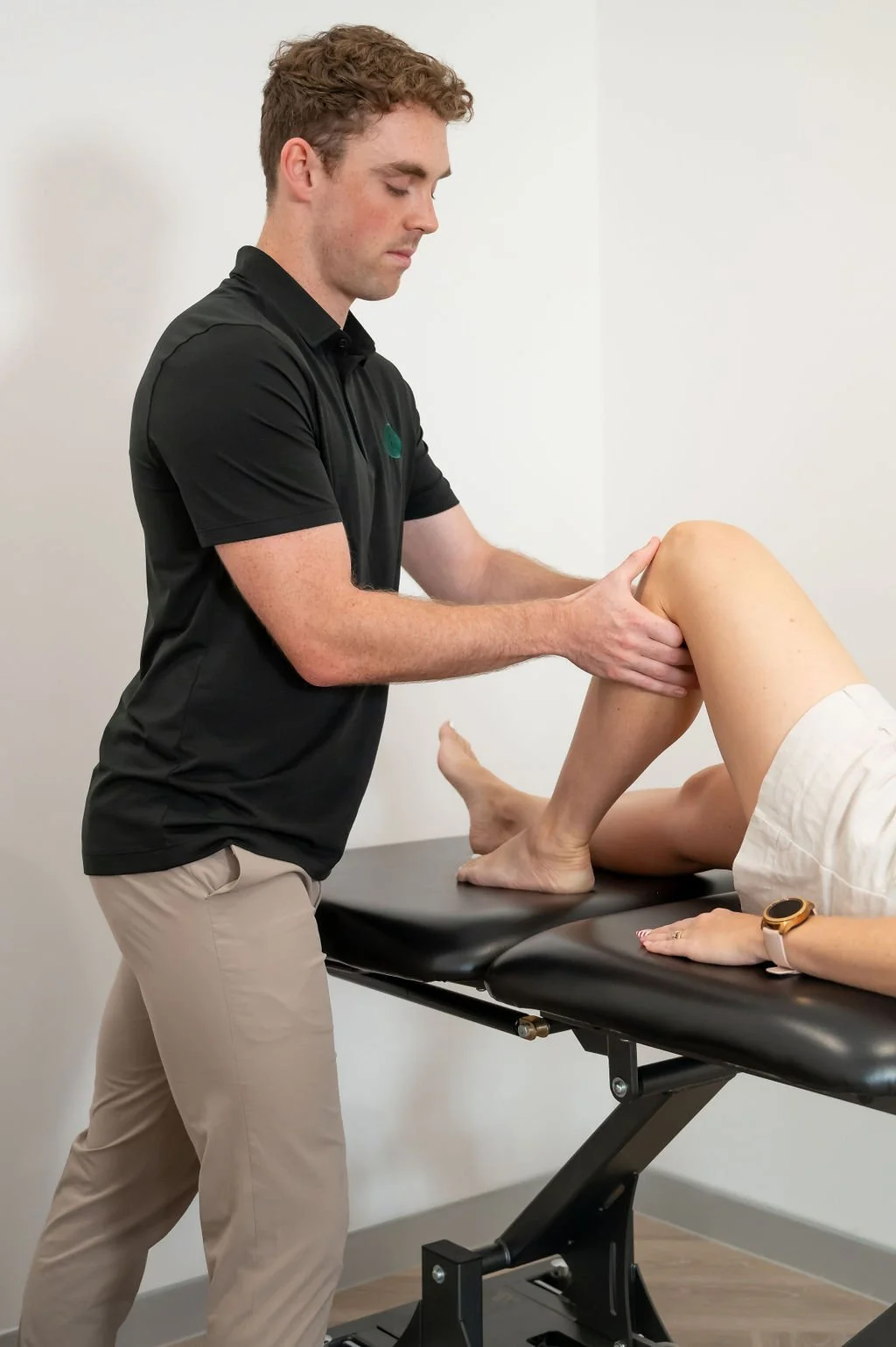
Each session begins with a thorough assessment of strength, movement, sensation, balance, and functional capacity. From there, your physiotherapist develops a personalised program combining hands-on therapy, movement retraining, education, and a structured home program.
With the right guidance and consistent support, many people with neurological conditions experience meaningful improvements in mobility, independence, and overall wellbeing.
Did you know: Almost all neurological conditions will be covered under the National Disability Insurance Scheme (NDIS), which is another one of our services offered here at Evolve Physio & Co. Our team is here to help you move forward with confidence.
If you’re exploring physiotherapy for yourself or a loved one, remember: recovery is not just about movement — it's about restoring possibilities.
If you think this treatment might be right for you, please contact our friendly team to arrange an appointment at our Sunshine Coast or Bribie Island practice.
Meet the team
Want to learn more about Evolve’s network of experienced practitioners? Meet our team of physiotherapists and exercise physiologists here.