Physiotherapy & Dry Needling
How It Works & Why It Helps
Dry needling has become an increasingly popular treatment in physiotherapy, and with good reason. Many people living with muscle tightness, persistent pain, or movement restrictions find relief quickly when dry needling is integrated into their physiotherapy plan.
Whilst the term ‘dry needling’ might sound severe, this popular treatment often isn’t very painful, and can provide much-needed relief to areas of tight muscular tension.
Whether you’re dealing with a sports injury, tension headaches, back pain, or chronic muscle stiffness, dry needling can help release tight tissues, reduce pain, and improve mobility.
But what exactly is dry needling, and how does it work? Let’s take a closer look at how a dry needling session in our Sunshine Coast or Bribie Island practice can help you reduce pain and regain mobility.
Your Questions, Answered
-
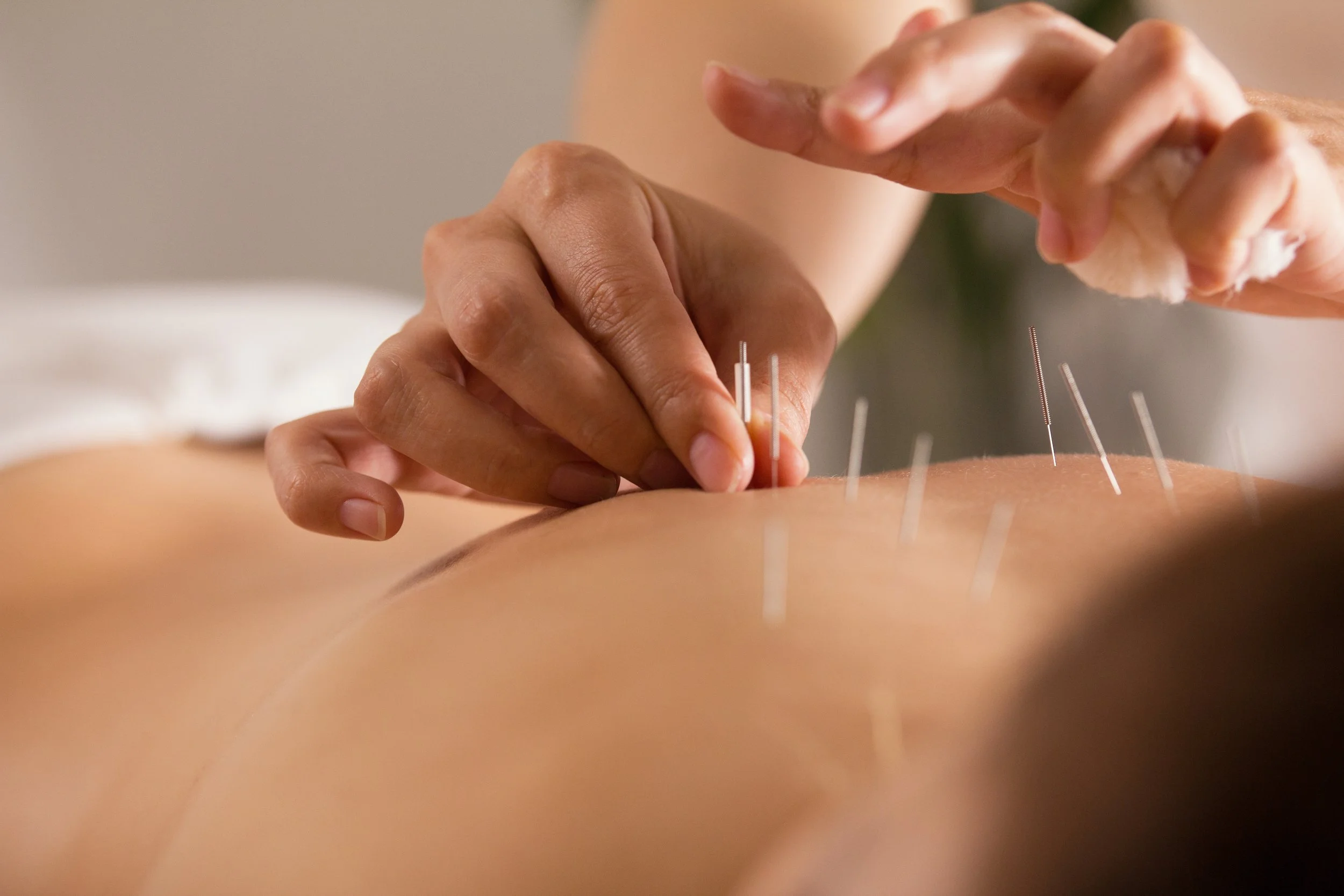
Dry needling is a treatment technique used by a trained physiotherapist to target tight, painful or overactive muscles - often known as “trigger points”. It involves inserting very fine, sterile needles into these areas to create a therapeutic response.
Dry needling has been shown to improve short-term pain relief across all body regions (Chrys, Meulemeester, De Green et al., 2023). It has also been shown to be an effective treatment when combined with other physiotherapy interventions such as exercise (Chrys, Meulemeester, De Green et al., 2023).
Unlike acupuncture, which is based on traditional Chinese medicine principles, dry needling is rooted in modern Western science, focusing on:
Muscle release
Pain reduction
Improving movement
Restoring function
However, the needles used in both dry needling and acupuncture are the same type of thin, stainless steel, so in application, they look highly similar. However, it’s the technique and application that differentiate the two.
-
Dry needling helps reduce pain and improve movement through several mechanisms.
Release muscle tension
Calms the nervous system
Improves mobility
Encourages natural healing
Dry needling can be utilised on a wide range of musculoskeletal conditions and is used as part of a broader physiotherapy program to assist you with getting back to what you love.
-
Dry needling is an effective treatment for people experiencing muscle pain, tension, or movement restrictions caused by injury, overuse, or chronic conditions. It can help reduce pain, improve mobility, and support faster recovery when muscles aren’t functioning as they should.
Our dry needling on the Sunshine Coast is suitable for a wide range of conditions, including (but not limited to):
Musculoskeletal Conditions:
Back and neck pain
Muscle tightness and spasms
Joint-related pain caused by muscular restriction
Tendinopathy
Postural strain and overuse injuries
Post-surgical muscle pain and compensation patterns
Neurological & Nerve-Related Symptoms:
Headaches and migraines
Referred pain patterns
Nerve irritation linked to muscle tightness
Muscle guarding following neurological conditions
Chronic Pain & Persistent Conditions:
Chronic muscle pain
Fibromyalgia
Persistent pain conditions
Myofascial pain syndrome
Pain associated with stress or prolonged tension
Sports & Performance Rehabilitation:
Sports injuries and muscle overload
Improving range of motion and flexibility
Reducing delayed onset muscle soreness (DOMS)
Supporting return to training after injury
General Recovery & Movement Support:
Reducing pain to support rehabilitation exercises
Improving movement efficiency
Addressing muscular imbalances
Supporting return to daily activities or exercise after a break
-
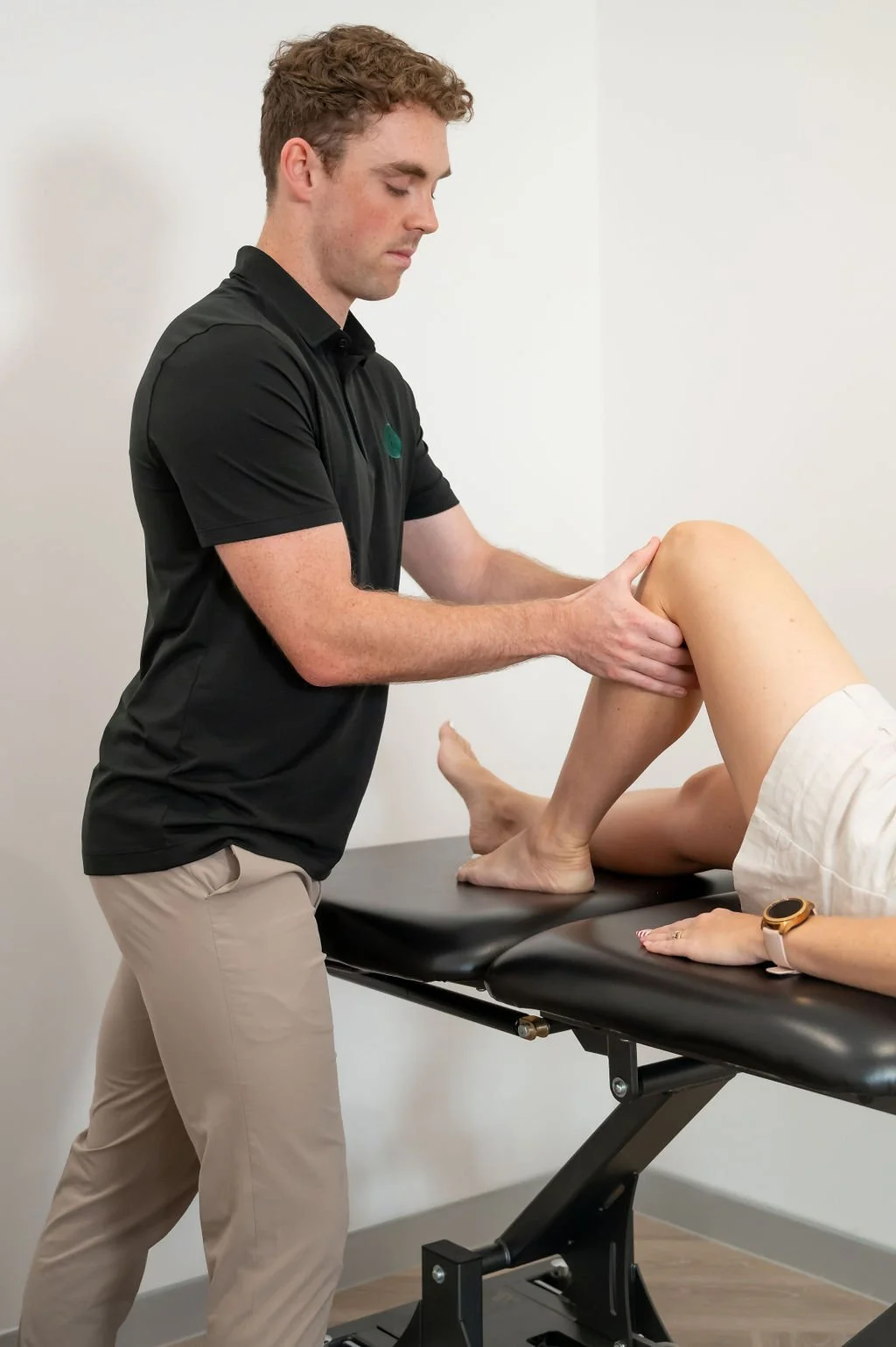
If this is your first time visiting Evolve Physio & Co, your practitioner will first complete an assessment to understand your history, injury or condition. From there, they’ll begin treatment, which is completed on one of our treatment tables. We recommend wearing comfortable, loose-fitting clothing (shorts are ideal) so that you can move freely and comfortably on the table.
The treatment will usually include a combination of manual hands-on manipulation as well as the gentle insertion of the fine needles into your muscles. Sometimes, your practitioner will manipulate the needle once inserted in order to trigger a response within the muscle.
-
We offer dry needling as part of our integrated treatment approach at both our Ningi and Minyama clinic locations.
When performed by one of our qualified and experienced physiotherapists, dry needling is considered a safe and effective treatment. Some patients experience some temporary side effects such as slight bruising, fatigue and swelling, or mild soreness that can last 12-24 hours post-session.
Dry needling may not be suitable during pregnancy. Please inform your physiotherapist if you are pregnant or planning to become pregnant, so your treatment can be appropriately modified or alternative options discussed.
If you have any hesitations or concerns, please don’t hesitate to ask our friendly team members for more information.
-
Dry needling is a powerful tool that can help relieve pain, reduce muscle tension, and support your recovery — whether you're an athlete, office worker, or dealing with long-term discomfort.
If you’re curious whether dry needling could help you, a physiotherapy assessment is the best place to start.
Contact a member of our friendly team to book in a consultation or to understand if this treatment type is right for you.
Meet the team
Want to learn more about Evolve’s network of experienced practitioners? Meet our team of physiotherapists and exercise physiologists here.